
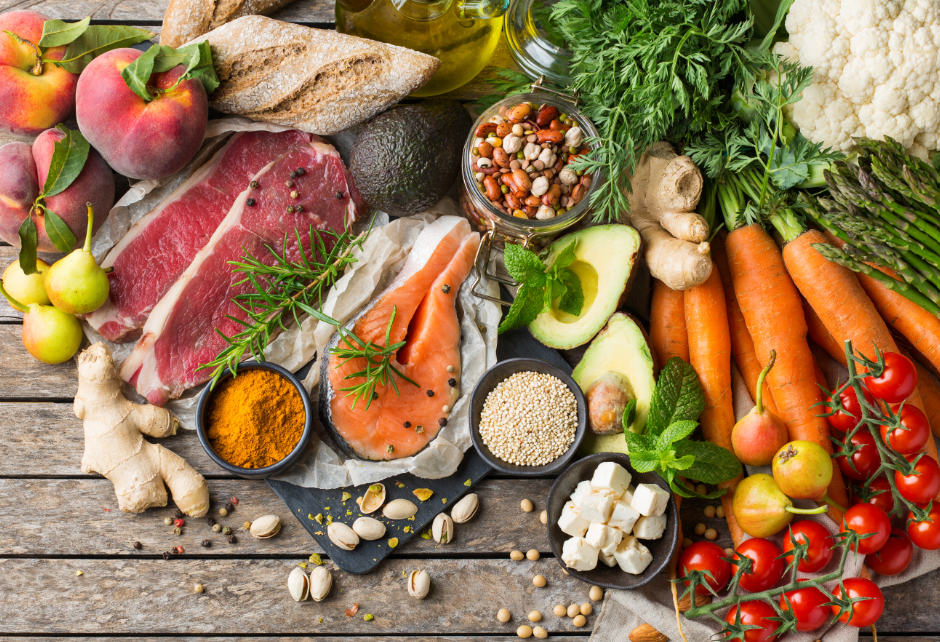
Dentures can restore your smile, your confidence, and your ability to enjoy many of your favorite foods. However, they don’t function exactly like natural teeth. Because of differences in bite force and stability, certain foods can be difficult—or even damaging—to eat with dentures.
Knowing what to avoid (and what to enjoy in moderation) can help you protect your dentures and keep your mouth comfortable.
Sticky and Chewy Foods
Sticky foods are one of the biggest challenges for denture wearers. Items like caramel, taffy, gummy candies, and even thick peanut butter can cling to dentures and pull them out of place.
These foods can also leave behind residue that’s harder to clean, increasing the risk of irritation or plaque buildup along your gums. If you do indulge occasionally, take small bites and clean your dentures thoroughly afterward.
Hard and Crunchy Foods
Hard foods require more bite force than dentures can comfortably handle. Chewing ice, hard candies, nuts, and even crusty bread can put excessive pressure on your dentures, potentially causing cracks or sore spots.
Raw vegetables like carrots and tough fruits like apples can also be tricky. Cutting them into smaller pieces or cooking them until softer can make them much easier to enjoy without discomfort.
Tough Meats
Meats that are particularly tough or fibrous—such as steak, jerky, or ribs—can be difficult to chew evenly with dentures. This can lead to slipping or uneven pressure on your gums.
Opting for softer protein options like ground meats, fish, or slow-cooked dishes can help you maintain a balanced diet without straining your dentures.
Small, Hard-to-Control Foods
Foods like popcorn, seeds, and small nuts can easily get trapped underneath dentures. This can cause irritation, discomfort, and even minor injuries to the gums.
Additionally, these small particles can be difficult to remove without taking your dentures out, making them less convenient for everyday snacking.
Extremely Hot Foods and Drinks
Dentures act as a barrier between your mouth and temperature sensations, which means it can be harder to tell if something is too hot. This increases the risk of burns from hot coffee, soup, or other heated foods.
Letting food cool slightly before eating can help protect your mouth and make meals more comfortable.
A Note on Implant Dentures
If you’re finding your food choices feel too limited, implant-supported dentures may be worth considering. Unlike traditional dentures, implant dentures are anchored securely to your jaw, providing greater stability and improved chewing power.
This added support can allow you to enjoy a wider variety of foods—including some that are typically off-limits—while also enhancing comfort and confidence.
Finding the Right Balance
Living with dentures doesn’t mean giving up the foods you love entirely. With a few adjustments—like choosing softer textures, cutting food into smaller pieces, and avoiding overly sticky or hard items—you can still enjoy a satisfying, varied diet.
Being mindful of your choices helps protect both your dentures and your overall oral health. Making small, thoughtful changes to your diet can go a long way in keeping your dentures comfortable and your smile strong.
About the Practice
Studio Dental of Chisholm Trail provides comprehensive dental care with a focus on comfort, function, and long-term oral health. Dr. Anilkumar Patel offers customized solutions for patients with missing teeth, including full and partial dentures as well as implant-supported options. By taking a personalized approach, we help patients regain confidence in their smiles while ensuring their restorations fit well and support everyday activities like eating and speaking.
Call us at (817) 717-6788 or schedule your appointment online.