
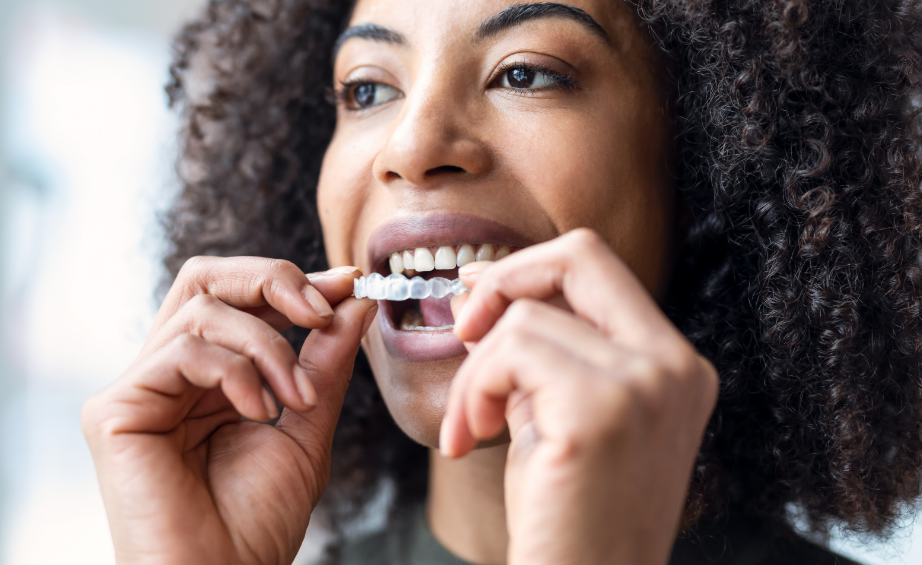
If you’re bothered by crooked or crowded top teeth but your bottom teeth look perfectly aligned, you may wonder whether Invisalign can focus treatment on only the upper arch. Single-arch treatment is possible, and for some patients it can be an effective solution. However, it requires careful planning, ongoing monitoring, and a full understanding of the risks involved. Before deciding, it’s important to know why dentists are cautious with this approach and how working closely with your provider helps ensure a safe, successful, and cost effective outcome.
When Single-Arch Invisalign May Be an Option
Invisalign for only the top teeth can work well in cases involving mild cosmetic adjustments. Patients who have small gaps, slight crowding, or minor misalignment may qualify. The key is that the bottom teeth must already be in a stable, healthy, and well-aligned position. Your dentist will examine your bite, tooth structure, and overall dental health to determine whether the top teeth can be shifted independently without causing problems.
Why Dentists Are Careful With Single-Arch Treatment
Although treating only the top teeth sounds simple, your smile functions as a complete system. When one arch moves and the other does not, bite alignment can change in ways that create new issues. For example, moving the top teeth forward could lead to an overbite, while shifting them inward may result in edge-to-edge contact or excessive wear on the bottom teeth. Even subtle movement can alter how your teeth come together, which is why dentists approach single-arch treatment with caution.
Potential Risks to Consider
The main risk of treating only the top teeth is creating an uneven or unstable bite. Patients may experience jaw discomfort, difficulty chewing, or increased tooth wear if the arches no longer meet properly. There’s also the possibility of moving the top teeth into a position that puts pressure on the gums or underlying bone.
Another consideration is long-term stability. If the bite becomes unbalanced, the teeth may shift again after treatment, reducing the predictability and longevity of your results. This is why some patients ultimately benefit from treating both arches even when the bottom teeth appear visually aligned.
How to Minimize Risks With Invisalign
The best way to safely pursue top-only Invisalign is to work closely with an experienced dentist throughout the entire process. Advanced imaging, digital bite analysis, and regular check-ins allow your provider to track how your bite is responding to each stage of movement. If changes begin to affect the lower arch, your dentist can adjust the treatment plan early.
Wearing your aligners as directed is also essential. Consistent wear ensures the predicted tooth movements happen as planned, reducing the chances of unexpected shifting. Once treatment ends, a properly fitted retainer will help maintain your new alignment and prevent the top teeth from drifting into an unstable bite pattern.
When Two-Arches Treatment May Still Be Better
In many cases, treating both arches provides a safer, more comfortable, and more predictable outcome. Even minor imperfections in the bottom teeth can become more noticeable once the top arch is corrected. Dual-arch treatment also ensures that your bite remains balanced and that both rows of teeth work together harmoniously.
Top-only Invisalign can be effective for the right patient, but careful planning and close monitoring are essential for lasting results.
About the Practice
Dr. Anilkumar Patel provides customized Invisalign treatment using digital planning, detailed bite evaluation, and close monitoring to ensure safe, predictable tooth movement. Our experienced team at Studio Dental of Chisholm Trail guide patients through every stage of clear aligner therapy, whether treating a single arch or both. To learn more about Invisalign treatment options, come visit us.
Call us at (817) 717-6788 or request an appointment online.